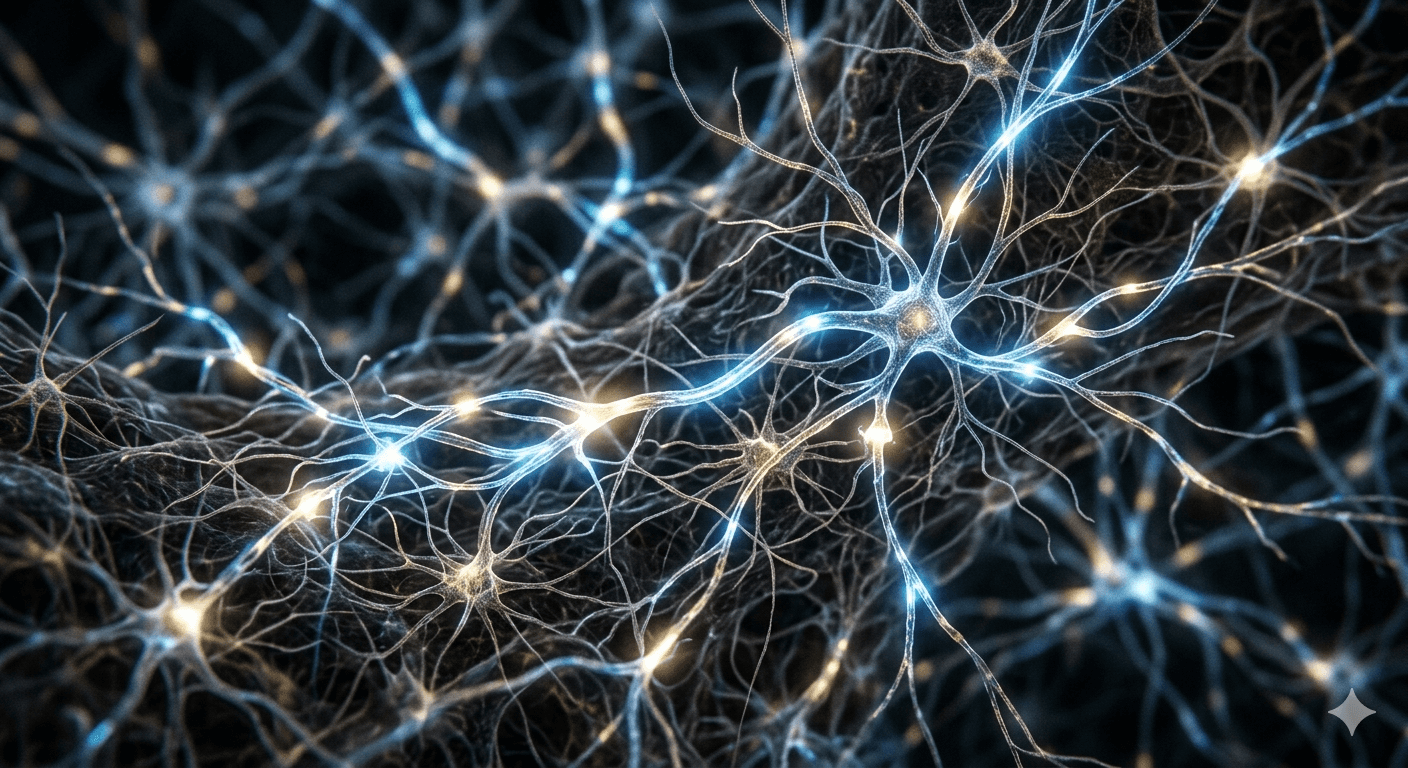
Something extraordinary happens in the brain during a 5-MeO-DMT experience. The structures responsible for the ordinary sense of self temporarily quiet. Neural pathways that have maintained years of anxiety, depression, and rigid self-perception loosen their grip. And in the weeks that follow, the brain enters a window of heightened plasticity where genuine and lasting change becomes more available than at almost any other point in adult life.
Understanding the neuroscience of 5-MeO-DMT does not reduce the profundity of what it produces. If anything, it deepens the appreciation for what an extraordinary thing consciousness is, and for why this medicine is producing the outcomes the research is now documenting.
The Default Mode Network
The default mode network is a set of interconnected brain regions that are active during self-referential thought. When you are thinking about your past or future, reflecting on your identity, replaying a difficult conversation, anticipating what might go wrong, your default mode network is doing the work.
In a meaningful sense, the default mode network is the neural substrate of the ordinary sense of self. It is the architecture of the mental narrator, the internal voice that organizes your sense of who you are and what your experience means.
Research on psychedelic compounds, including foundational work from Imperial College London and Johns Hopkins, has consistently shown that these substances significantly reduce default mode network activity. The more complete that reduction, the more complete the ego dissolution that the person typically reports.
5-MeO-DMT produces some of the most profound default mode network suppression of any known compound. This is the neurological correlate of the complete dissolution of self that characterizes the full experience. The self quiets because the neural architecture that generates it temporarily steps back.
Serotonin Receptors and What They Make Possible
5-MeO-DMT works primarily as a potent agonist at the 5-HT2A serotonin receptor, the same receptor through which psilocybin and LSD primarily act. It also engages sigma-1 receptors, which are involved in cellular stress response and neuroprotection.
The 5-HT2A agonism produces the profound alterations in self-referential processing and perception that characterize the experience. The mechanism is shared with other classic psychedelics, but the potency and speed of action with 5-MeO-DMT is markedly greater, which is why the onset is so rapid and the dissolution so complete.
Research also suggests that 5-MeO-DMT promotes neuroplasticity, the brain’s capacity to form new neural connections and reorganize existing patterns. This may be one of the neurological foundations for the lasting changes in mood, perception, and behavior that people report following a well-integrated experience.
The Neuroplasticity Window: Why Integration Cannot Wait
The neuroplasticity that 5-MeO-DMT promotes does not last indefinitely. Research suggests this window of heightened neural flexibility persists for approximately two to four weeks following the experience. During this period the brain is genuinely more open to forming new connections, releasing entrenched patterns, and establishing new ways of thinking, feeling, and behaving. It is the most biologically receptive the nervous system will be to change.
This is precisely why integration in the weeks immediately following the ceremony is not optional support. It is the work that determines whether the neurological opening becomes lasting transformation or simply a remarkable experience that fades back into old patterns. New habits, new beliefs, and new ways of relating to yourself and others take root most readily when they are planted in this window. The brain is primed to receive them. Without deliberate, supported integration during this time, the nervous system will naturally default back to the grooves it knows best, not out of failure, but simply because familiar pathways require the least effort to follow. Integration is how you use the window while it is open.
Why This Matters Therapeutically
Chronic depression, anxiety, and trauma are all conditions organized in part by rigid patterns in the default mode network. Rumination, self-criticism, threat anticipation, and the compulsive replaying of painful narratives are all default mode network processes.
When 5-MeO-DMT temporarily interrupts those patterns, the system is given an opening to reset. The neural grooves that have maintained suffering are loosened. New ways of relating to experience become possible in a nervous system that is temporarily more plastic than usual.
This opening is the neurological version of what people describe experientially as a profound shift in how they relate to themselves. The science and the direct experience are pointing toward the same thing from different directions. Both are worth understanding.
Related Reads for You
Discover more articles that align with your interests and keep exploring.




Free Consultation
Book a Free Consultation Call
This is a space to ask questions, share intentions, and feel into whether this work is right for you. There’s no pressure — just presence, listening, and honest connection.
