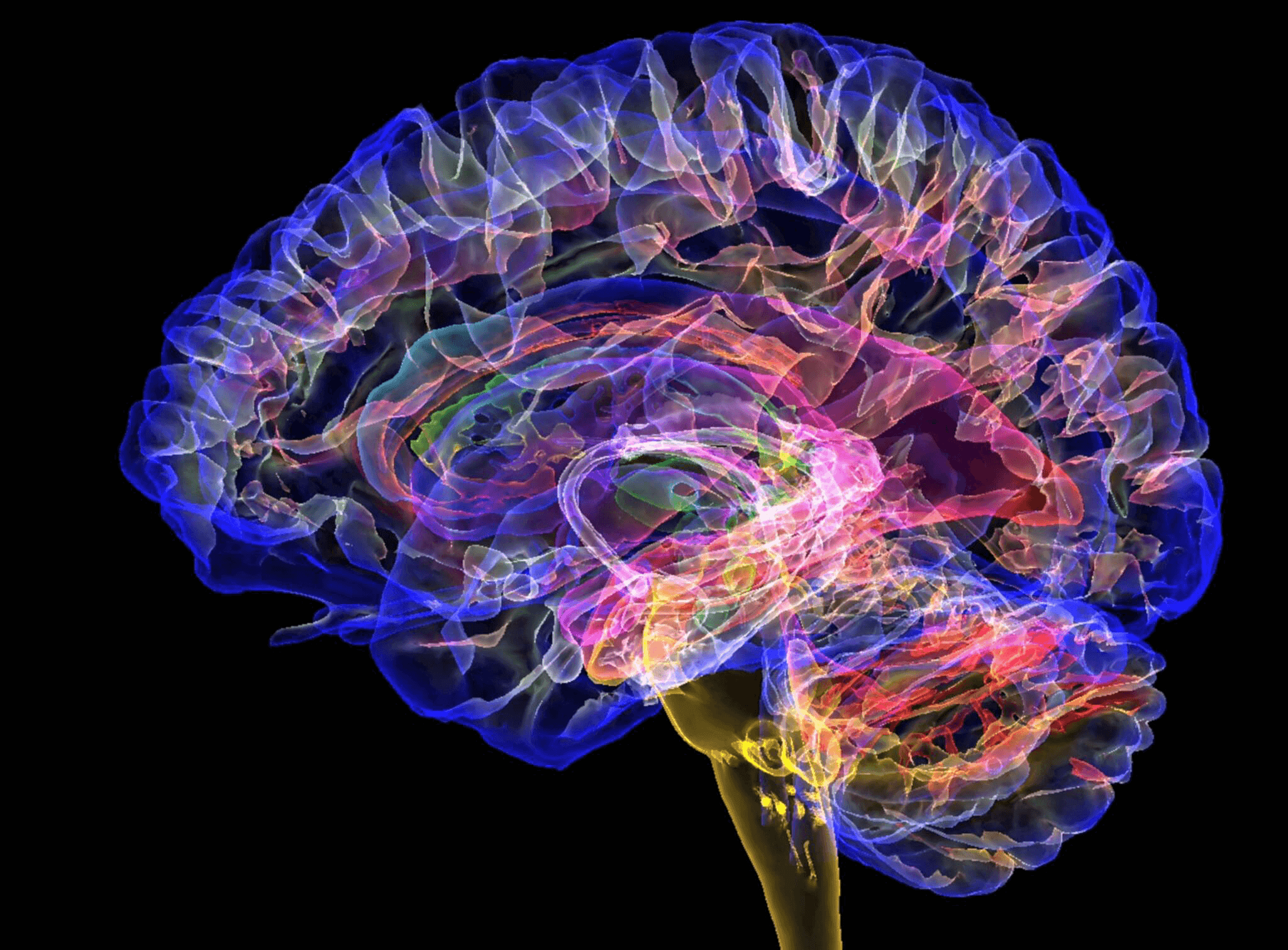
MDMA can open the heart, increase empathy, and create powerful therapeutic breakthroughs. It can also place real stress on the brain’s serotonin system. The difference between a rough experience and a healthy one often comes down to preparation and recovery.
A healthy trip is a good trip.
If you're going to explore these medicines, it makes sense to do it in a way that protects your brain, supports your nervous system, and helps you integrate the experience afterwards.
This guide explains what MDMA does in the brain, what research organisations like MAPS have discovered, what a healthy dose looks like, and the supplements that can help support brain health before and after the journey.
WHAT MDMA DOES IN THE BRAIN
MDMA has become one of the most promising substances being studied for therapeutic use. Clinical research from MAPS (Multidisciplinary Association for Psychedelic Studies) has shown that MDMA-assisted therapy can significantly reduce symptoms of PTSD, often helping people process trauma that traditional therapy alone struggles to reach.
The reason it works so well therapeutically is because of what MDMA does in the brain.
MDMA temporarily lowers activity in the amygdala, the part of the brain responsible for fear and threat detection. At the same time, it increases activity in brain regions related to emotional processing, empathy, and connection. This creates a state where people can revisit difficult memories without being overwhelmed by fear.
In this state, people often experience increased compassion for themselves, deeper emotional openness, improved communication, and the ability to process traumatic memories from a safer psychological place.
This is why MDMA therapy is being studied so heavily in trauma treatment.
However, MDMA also creates a very large release of serotonin and other neurotransmitters. While this surge is responsible for the feelings of empathy, warmth, and emotional clarity, it also places temporary stress on the brain’s serotonin system.
If you're choosing to explore MDMA, supporting the brain before and after the experience can make a major difference in how the body handles the experience and how well you recover.
The goal is not just the experience itself, but supporting the brain and nervous system so the insights from the journey can actually translate into long-term growth.
WHAT IS CONSIDERED A HEALTHY DOSE
In clinical trials conducted by MAPS, MDMA is typically administered based on body weight.
A common therapeutic range is:
Approximately 1 to 1.5 mg of MDMA per kilogram of body weight.
For many adults, this falls roughly between:
75 mg – 125 mg.
In some therapeutic settings, a supplemental dose of about half the original dose may be given later in the session.
Higher doses increase strain on the brain and body and significantly raise the risk of negative side effects. Staying within moderate ranges improves safety and reduces neurochemical stress.
WHY BRAIN SUPPORT MATTERS
Because MDMA causes such a large serotonin release, the brain temporarily becomes depleted after the experience. This is why some people experience a low mood or emotional drop in the days following use.
Supporting the brain before and after the experience can help:
• Reduce oxidative stress in the brain
• Support serotonin recovery
• Reduce neurotoxicity risk
• Improve mood recovery
• Support overall nervous system health
Think of it as giving the brain the building blocks it needs to recover from a very intense neurochemical experience.
SUPPLEMENT SUPPORT FOR AN MDMA JOURNEY
If someone chooses to work with MDMA, these supplements can help support brain health before and after the experience.
1–3 Days Before the Journey
Magnesium Glycinate
200–400 mg per day
Helps reduce jaw clenching, muscle tension, and nervous system strain.
Vitamin C
1000 mg per day
Supports antioxidant protection and reduces oxidative stress.
Omega-3 Fish Oil
1000–2000 mg per day
Supports brain cell health and helps regulate inflammation.
Optional
NAC (N-Acetyl Cysteine)
600–1200 mg per day
Supports antioxidant defences and liver health.
Day of the Journey
Magnesium Glycinate
200 mg about one hour before the experience. Helps reduce muscle tension and jaw clenching.
Vitamin C
500–1000 mg for antioxidant protection.
Alpha Lipoic Acid (ALA)
300 mg to help protect brain cells from oxidative stress.
Hydration is important. Drink water with electrolytes periodically throughout the session.
After the Journey 3-5 days
5-HTP
100 mg later that night or the following morning to help support serotonin recovery.
Magnesium Glycinate
200–400 mg to help the nervous system relax and recover.
Vitamin C
1000 mg for antioxidant support.
Omega-3 Fish Oil
1000–2000 mg to support brain health and inflammation regulation.
Continue these supplements for several days after the experience.
INTEGRATION AND RECOVERY
The experience itself is only part of the process. What happens after the journey is often where the real transformation takes place.
MDMA can open emotional insight, reveal patterns, and help people access deeper compassion for themselves and others. Integration is the process of turning those insights into real change in everyday life.
In the days following the experience, it is helpful to slow down and give the nervous system time to reset.
Prioritise sleep. MDMA can disrupt normal sleep cycles, and the brain needs rest to restore neurotransmitter balance.
Eat nutrient-dense food. Protein, healthy fats, and whole foods provide the building blocks for neurotransmitter recovery.
Hydrate well. MDMA can dehydrate the body, so proper hydration helps the brain and body rebalance.
Spend time in nature. Gentle environments help regulate the nervous system and support emotional processing.
Journal or reflect on the experience. Writing down insights, emotions, or realisations helps integrate them into conscious understanding.
Talk with a trusted person or integration coach. Sharing the experience often helps clarify the meaning and lessons from the journey.
Avoid alcohol and other stimulants for several days. The brain is already recovering from a major neurochemical event and additional substances can slow that process.
Light movement such as walking, stretching, or yoga can also help the body process emotional material and restore balance.
Integration is where the insights from the experience become real life changes.
FINAL THOUGHTS
MDMA has the potential to be an incredibly powerful therapeutic tool.
In the right setting it can help people access compassion, process trauma, improve emotional communication, and reconnect with themselves and others. Research from MAPS has shown that MDMA-assisted therapy can produce lasting reductions in PTSD symptoms and deep psychological healing.
But like any powerful tool, it should be approached with intention and respect.
Preparation matters. Recovery matters.
Supporting the brain before and after the experience helps protect the nervous system and allows the insights gained during the journey to translate into meaningful and lasting growth.
A healthy trip is a good trip.
Related Reads for You
Discover more articles that align with your interests and keep exploring.




Free Consultation
Book a Free Consultation Call
This is a space to ask questions, share intentions, and feel into whether this work is right for you. There’s no pressure — just presence, listening, and honest connection.
